Contact info

Follow us

Search Blog, projects, Service or people.

Product Engineering and Modernisation

Product Engineering and Software Modernisation Services

Product Engineering & Software Modernisation

Building a software product is not the same as writing code. It requires domain understanding, architecture decisions that age well, interfaces that real users will actually adopt, and a delivery process that produces something working.

Micraft is a software product company that also delivers product engineering services. We build for clients the same way we build for ourselves: with operational integrity, zero-boilerplate designs, and high scalability at the core.

The Product Distinction

We Are a Product Company Offering Product Engineering

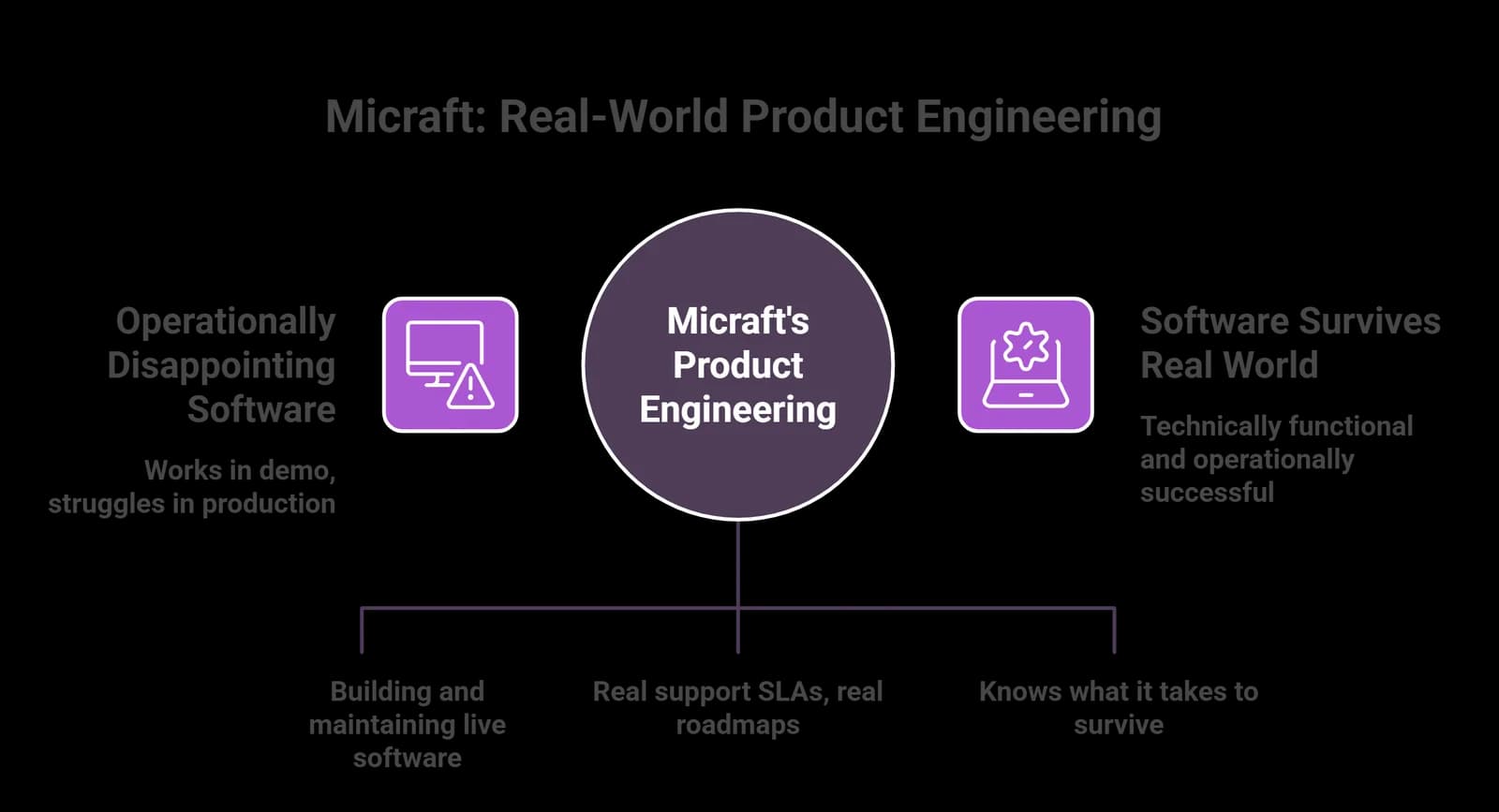
Most software services companies describe themselves as product engineering specialists. What they mean is that they assign developers to write code against a specification. What they deliver is often technically functional but operationally disappointing — software that works in a demo and struggles in production.

Micraft's product engineering practice is grounded in 19 years of building and maintaining live software products — Micraft MES, Micraft WMS, PrecisionCAL, DoxCraft, CraftMate, Pure CMS, Mate TMS, the Courier Aggregator, and the Dispatch Packing System. These are not archived projects. They are live platforms used by real operations teams today, maintained by the same engineers who build them, with real support SLAs and real product roadmaps.

When you engage Micraft for product engineering, you get the team that already knows what it takes to build software that survives contact with the real world — not a team that will discover those lessons during your budget.
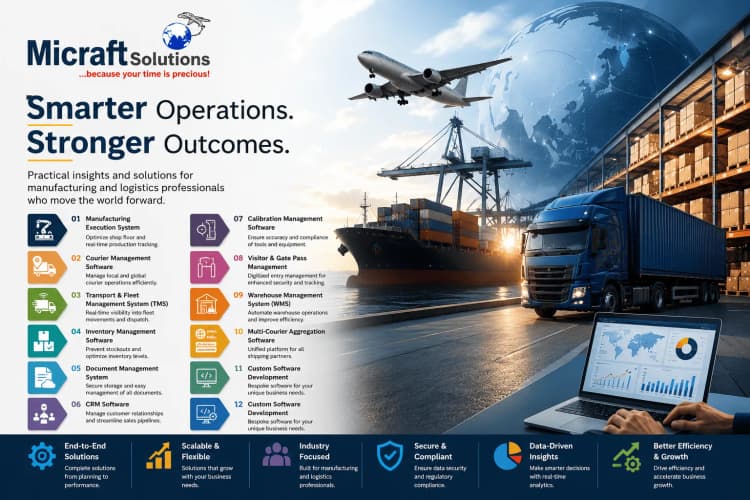
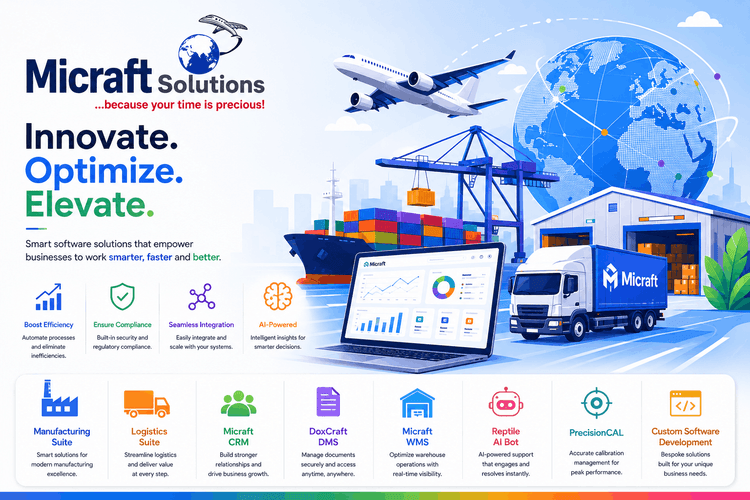
Micraft Software Products Suite
Services in Scope

Full Lifecycle Product Services

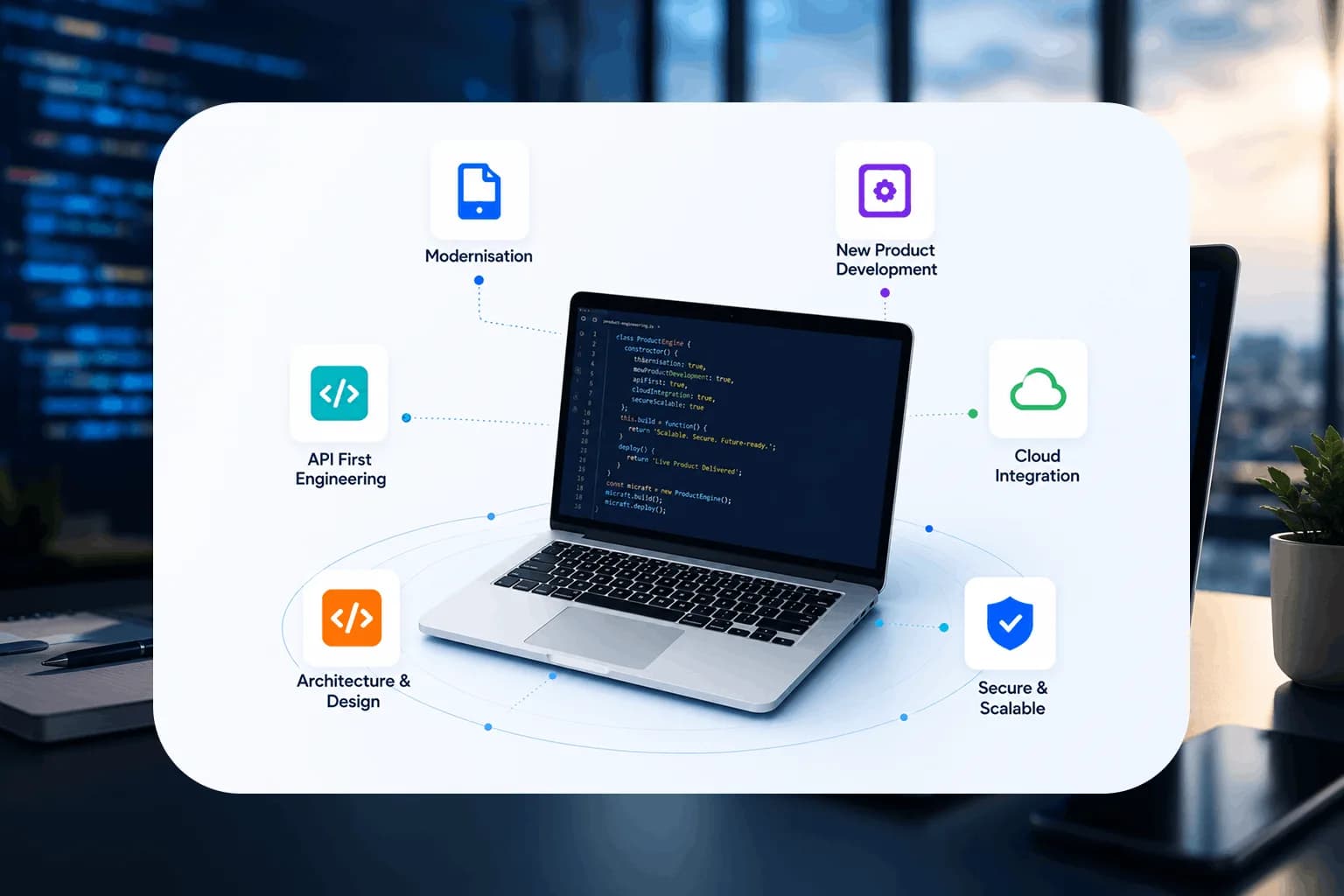
New Product Development

From concept to live product — for businesses with a software product idea that needs a technology partner to build it properly.

Micraft takes product development engagements in the manufacturing, logistics, distribution, and operations technology space. We bring domain knowledge to the product definition stage — not just to the development stage. If your product idea targets a manufacturing or logistics problem, the team reviewing your requirements specification already understands the operational context it will run in.

The Outcome:What you get: A live product — not a prototype, not an MVP that needs a full rebuild to reach production quality — delivered in phases with working software at every milestone. Architecture that scales as your user base and feature requirements grow.

Software Modernisation

Legacy systems that were built well for their time are now technical liabilities. Outdated technology stacks that cannot be supported.

We modernise legacy software through a disciplined approach that prioritises operational continuity — keeping the existing system running while the new platform is built alongside it, migrating data and users in phases, and decommissioning the legacy system only after the replacement has been validated in production.

  • Strangler Fig pattern — incrementally replace legacy components without a big bang cutover.
  • API-first extraction — wrap legacy systems in API layers before rebuilding the core.
  • Database migration — zero-downtime database transfers without disrupting running operations.
  • UI modernisation — rebuild interfaces for current devices and user expectations.

The Outcome:What you get: A system that behaves like the one your users know — because the business logic is preserved — but runs on technology that can be extended, maintained, and integrated with modern platforms.

Platform Architecture & Technical Design

For organisations that have the development capability but need architectural expertise and senior engineering oversight.

This is the right engagement for organisations that have internal development teams but are facing architectural decisions with long-term consequences — cloud migration strategy, microservices decomposition, data architecture for real-time operational analytics, and IoT integration architecture for manufacturing environments.

The Outcome:What you get: Clear platform architecture blueprints, technology stack selection advice, migration workflows, and detailed technical specifications designed to protect your project from architectural lock-in.

The Blueprint

How We Work From Discovery to Live Product

Domain and Requirements Discovery

Phase 1

Before any architecture decision or line of code, we spend time with your operations team — understanding the workflows the software will serve, the users who will operate it, the systems it will need to connect to, and the compliance requirements it will need to meet.

Technical Architecture and UX Design

Phase 2

System architecture designed for the intended scale, integration landscape, and deployment environment. UX designed for the actual users — operator terminals for shop floors are designed differently from executive dashboards.

Phased Development with Milestone Delivery

Phase 3

Development in phases with working software delivered at each milestone. Not a six-month black box followed by a handover. You see the product developing, you provide feedback, and adjustments are incorporated immediately.

Integration and Testing

Phase 4

Integration with all connected systems validated. Performance testing under realistic load conditions. Security testing for applications handling sensitive operational or compliance data.

Deployment, Training, and Handover

Phase 5

Deployment to production with defined rollback procedures. Operator and administrator training structured for the users who will operate the system. Documentation that reflects how the system actually works.

Post-Launch Support

Phase 6

Structured L1-L2-L3 support with defined SLAs from the day the product goes live. Outage response within 30 minutes. Critical issues within 1 hour. The same support structure Micraft applies to its own product portfolio.

The Tech Stack

Enterprise Tech Chosen for Scale & Reliability

We choose technology stacks based on performance, support lifecycles, and compatibility with your existing operational layers.

Backend Development

ASP.NET Core.NET 8Node.jsPython

Frontend Web Apps

ReactJSAngular 18Blazor

Mobile Development

FlutterXamarin (iOS & Android)

Cloud Infrastructure

Microsoft AzureAWS (Cloud-Native)

Database Systems

MS SQL Server 2019PostgreSQLMySQL

Integration Layers

REST APIsODataOPC-KepServerRFID / Barcode Interfaces

Security Validation

AES-256 EncryptionRBACSSO / Audit TrailVAPT-validated
Target Audience

Is Micraft the Right Fit for Your Operations?

Businesses with a Software Product Idea

01

Who need a domain-specialist development partner rather than a generic software house to bring manufacturing, logistics, or operations technology to market properly.

Enterprises Running Legacy Systems

02

Limiting their ability to modernise, integrate, or scale — who need a structured modernisation approach that does not disrupt the operations depending on the legacy system today.

Organisations with Internal Teams

03

Facing complex architectural decisions and requiring experienced senior engineering oversight for cloud strategy, microservices, or IoT architectures.

Gaps in Standard Off-the-Shelf Products

04

Whose operational requirements are highly specific and need a custom-engineered solution built by a team that understands the domain deeply.

The Track Record

Practical Software Built by a Team That Ships

The most direct answer is our portfolio. Micraft has built 11 live software products — from a 4-level barcode packing system for automotive suppliers to a cloud calibration platform meeting FDA 21 CFR Part 11 to an AI-powered manufacturing execution system with predictive maintenance modules. These products are live, maintained, and improving.

That track record is the evidence that Micraft can engineer software that survives contact with the real world.

For manufacturing and logistics engagements specifically, no other services team brings the same combination of domain depth and product engineering experience. The engineers who will work on your project have already solved comparable problems — and the solutions they built are running in production today.

Intellectual Property & Engagement

Frequently Asked Questions

Product engineering focuses on building software that is designed to evolve — with architecture, UX, and operational design that allows the product to grow, be maintained, and be extended over its life. Custom software development typically refers to building a specific solution for a specific requirement. In practice, Micraft applies product engineering principles to all custom development engagements.

Our strongest domain expertise is manufacturing, logistics, and operations-heavy businesses. We take on engagements in adjacent domains — industrial services, distribution, supply chain technology — where that expertise is relevant. We do not take on product engineering engagements where we have no domain knowledge to contribute.

We do not define a minimum scope by budget or duration. We define it by whether the engagement is something Micraft can deliver well. A discovery and architecture engagement to design the platform before development begins is a valid and complete engagement on its own.

All code, architecture, and designs produced for a client product engineering engagement are the client's intellectual property. Micraft retains no ownership of client deliverables. You get full source code, deployment templates, and documentation assets upon completion.

Ready to Discuss What You Are Building?

Start with a conversation — not a proposal. We will ask the right questions, understand your requirement and domain context, and give you an honest assessment of what the right approach looks like and whether Micraft is the right partner for it.

Related services & evidence of what we build