








The Problem
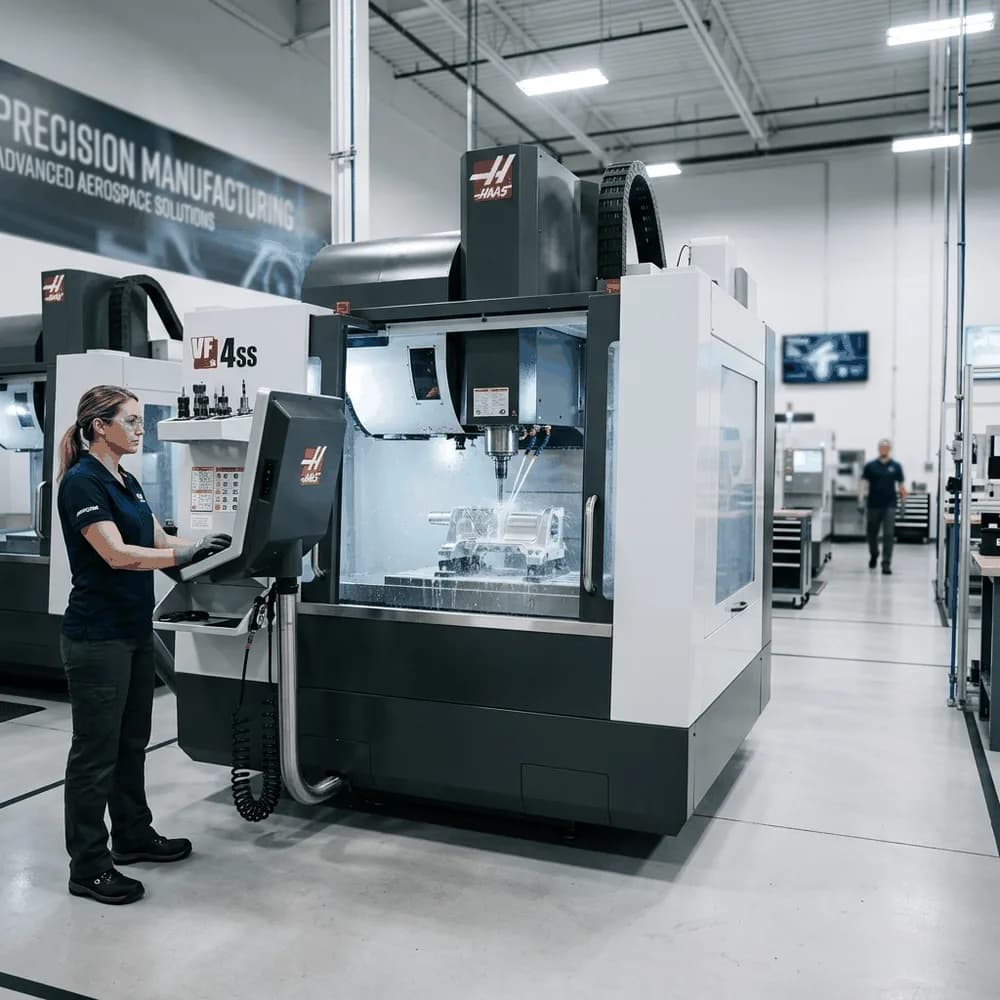
A CNC machining business with 12 machines producing precision components for engineering and industrial clients had no real-time visibility into machine utilisation. Operators reported output at end of shift. Machine idle time was not tracked. The operations manager's understanding of daily capacity utilisation came from walking the floor and asking — not from data. Customer orders were frequently late because capacity bottlenecks were not visible until they were already causing delay.
The Implementation
Micraft MES deployed across 12 CNC machines in 38 days. Direct machine interface for automated spindle-on/spindle-off cycle time capture. Work order scheduling module configured with standard cycle times per operation. Shop floor operator terminals for work order acknowledgement and quality entry.
The Outcomes
- 25% increase in machine utilisation — idle time visibility enabled supervisors to identify and address unproductive time
- 30% improvement in production visibility — live work order tracking across all 12 machines replaced end-of-shift compiled reports
- On-time delivery improved from 78% to 92% — real-time production status enabled planners to identify potential delays 2 to 3 days before the delivery date
- Go-live in 38 days — within the 30 to 60 day deployment window
- ROI achieved within 7 months — from improved utilisation and reduced expediting cost
"Real-time spindle telemetry and job queueing gave us 25% more output from the same machines without adding headcount."
— Managing Director, Precision CNC Engineering