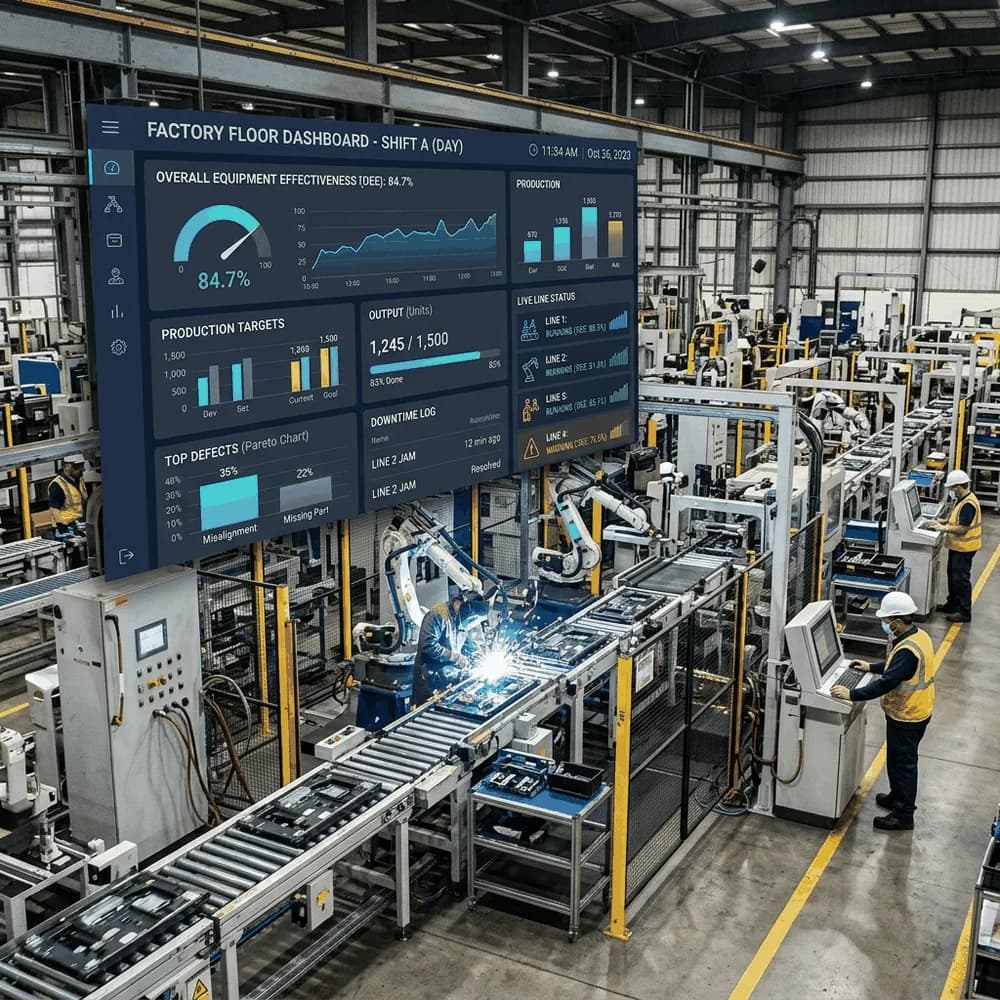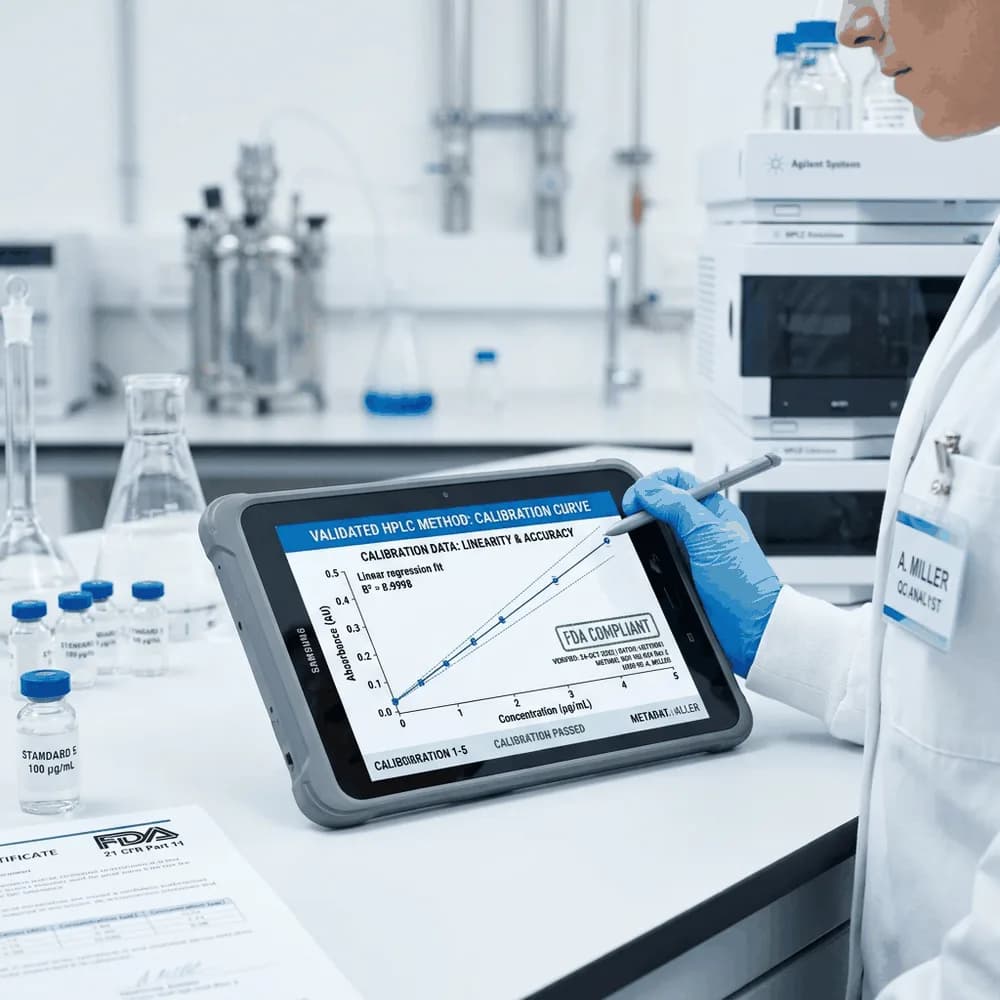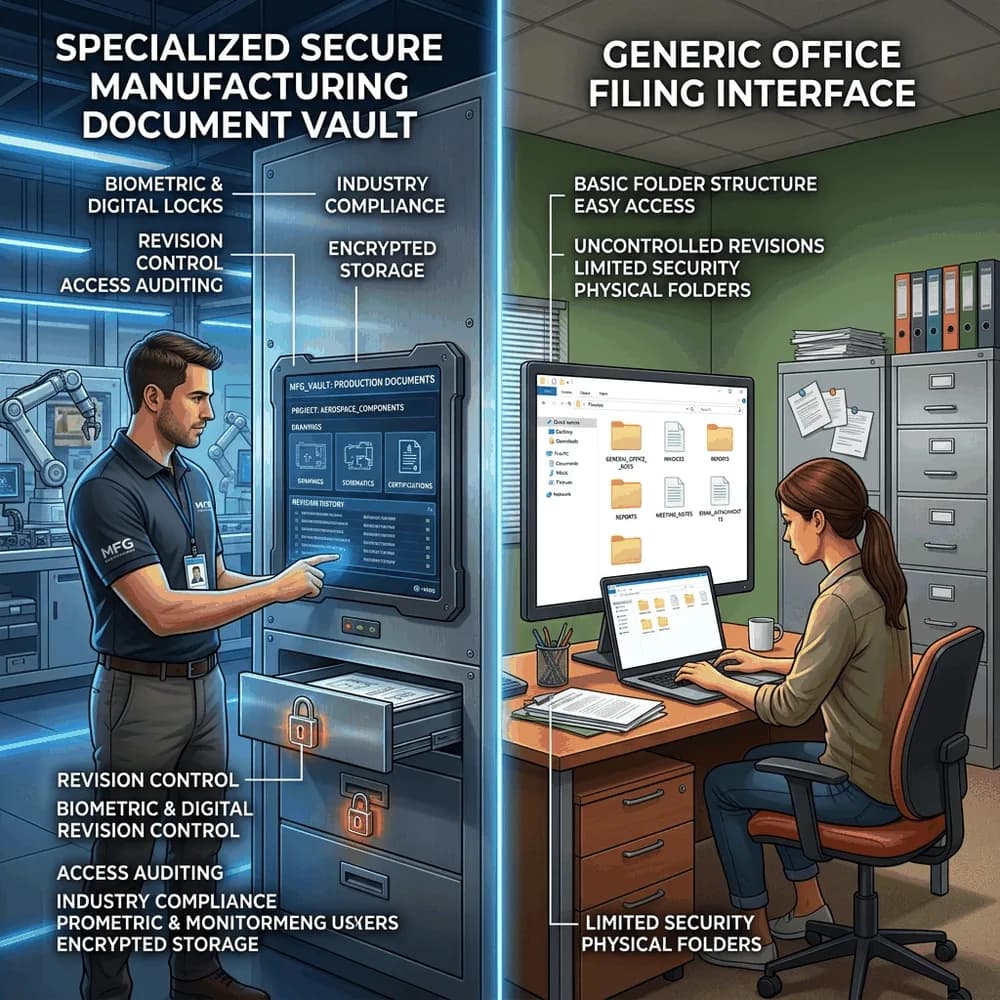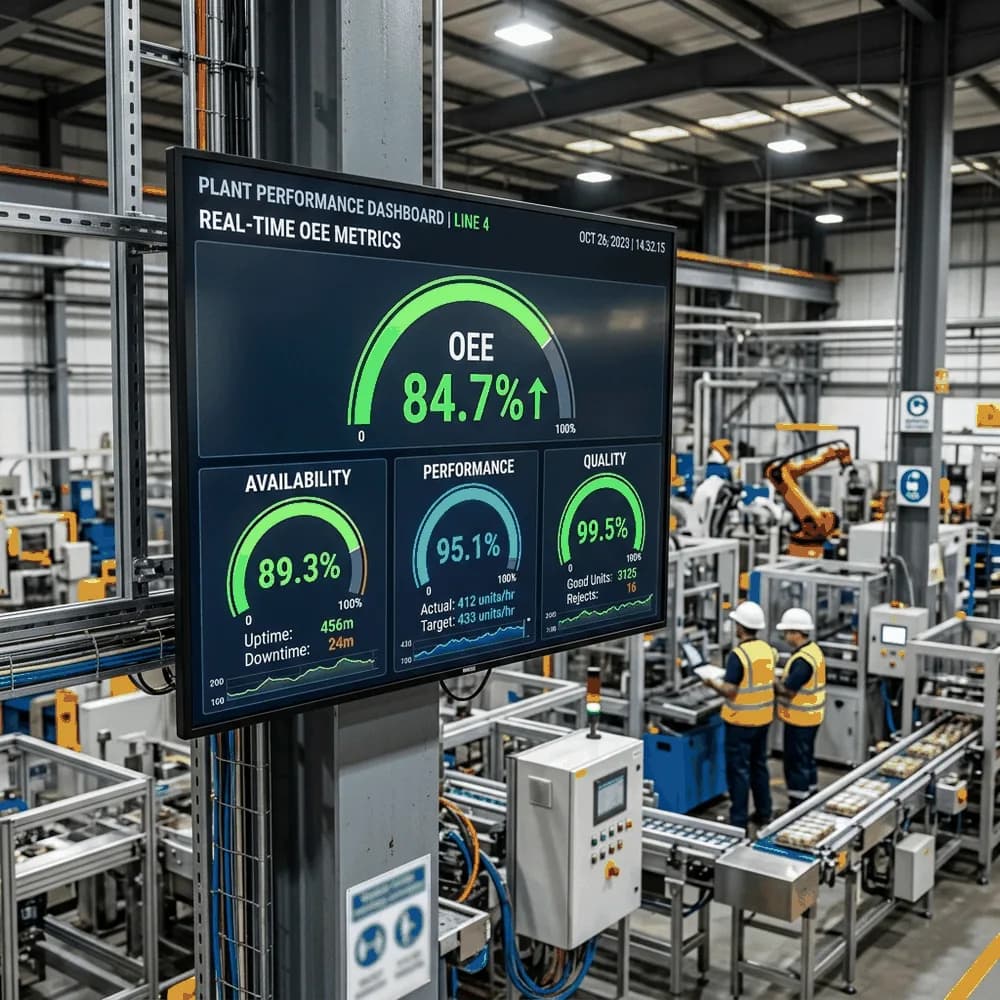







Pharmaceutical manufacturing is where the requirements on shop floor systems become most demanding — and most consequential. An MES that meets the functional requirements of discrete manufacturing but does not meet the electronic record requirements of FDA 21 CFR Part 11 is not a compliant system for a pharmaceutical environment. Understanding the specific compliance requirements before evaluating MES options saves significant time and risk.
The Pharmaceutical Compliance Challenge for MES
In pharmaceutical manufacturing, the production record is a regulatory document. The data captured on the shop floor — batch numbers, equipment status, process parameters, in-process test results, operator identities — is not just operational information for management visibility. It is part of the batch record that accompanies the product through release, that is reviewed during audits, and that forms the evidentiary basis for product quality decisions.
The electronic records that an MES generates in a pharmaceutical environment must therefore meet the technical requirements that FDA defines for electronic records used in place of paper records. Those requirements are in 21 CFR Part 11.
The Five Part 11 Requirements That Apply to MES Data
- 1. Audit trail generation: Every action on every electronic record must be captured in a system-generated audit trail — who made the change, what the original value was before the change, and when. The audit trail must be computer-generated, tamper-evident, and date/time stamped from the server.
- 2. Contemporaneous recording: Data must be entered at the time the activity occurs — not transcribed from paper records after the fact. For a pharmaceutical MES, this means data capture must happen on the shop floor at the time of the activity.
- 3. Operational system checks: The system must enforce the correct sequence of production steps. An operator should not be able to skip a step, record a result out of sequence, or proceed to the next operation before the current operation's records are complete.
- 4. Electronic signatures for authorisation: When operations require supervisory or quality authorisation, the electronic signature must meet Part 11 requirements: identity-verified, linked to the signed record and the meaning of the signature, and permanently recorded.
- 5. Access controls and user accountability: User access must be role-based — operators access the stations and records relevant to their role, supervisors have appropriate oversight access, quality has review and approval access.
What an Electronic Batch Record From MES Provides
A pharmaceutical MES that meets Part 11 requirements generates an electronic batch record (eBMR) that is significantly superior to a paper BMR in both compliance quality and operational efficiency:
- Data integrity: Every entry has a known author, a known timestamp, and an audit trail. There are no missing fields, no illegible handwriting, no possible alteration without a trace.
- Contemporaneous capture: Process parameters are recorded at the machine or station, at the time of the operation. Not transcribed from paper records.
- Sequence enforcement: The MES prevents steps from being completed out of sequence.
- Electronic review and approval: Quality review and batch release can be conducted electronically.
Evaluating MES for Pharmaceutical Compliance
When evaluating an MES for a pharmaceutical environment, ask these compliance-specific questions:
Is the audit trail system-generated, tamper-evident, and based on server timestamps?
Does the system enforce process step sequencing — can an operator skip a step?
Do electronic signatures meet Part 11 requirements?
Is the system validated or validatable under GAMP 5?
For Micraft MES: yes to all. GAMP 5 validation documentation available. Reference clients in pharmaceutical manufacturing available on request.