







If you work in manufacturing, industrial, or warehousing operations in India, you have encountered gate passes as a daily operational requirement. If you are evaluating visitor management or security software, you have probably noticed that Indian-built systems specifically address RGP and NRGP functionality while international systems either do not mention it or treat it as an edge case.
This post explains what RGP and NRGP gate passes are, why they are important, and what a digital gate pass system should provide.
What Is a Gate Pass?
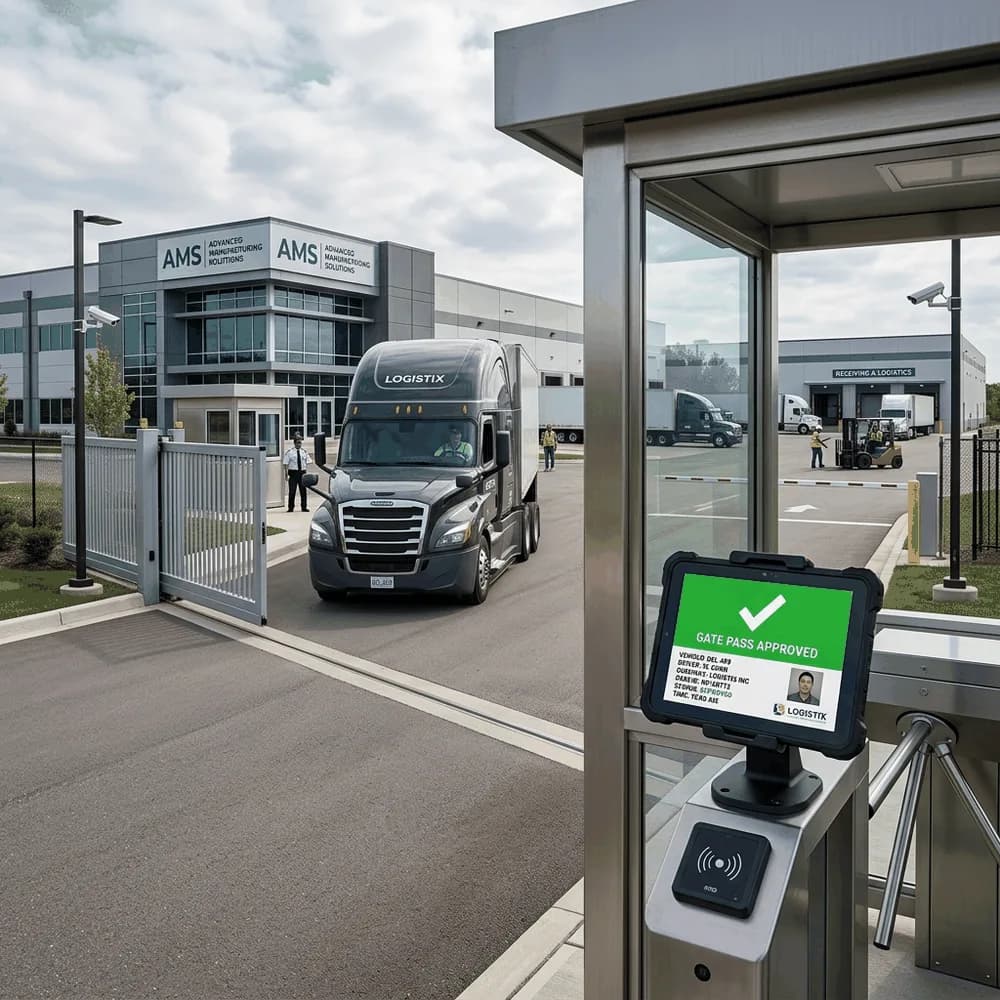
A gate pass is a document that authorises and records the movement of people, vehicles, or materials in and out of a facility. In Indian manufacturing, industrial, and warehousing environments, gate passes serve a dual function: as access authorisation (confirming that the movement is approved) and as a material movement record (documenting what moved, in what quantity, with what reference).
The gate pass system at a manufacturing plant's security gate is the control point that prevents unauthorised removal of company assets, creates a movement audit trail for compliance and accountability, and documents the physical movement of goods for commercial and statutory purposes.
What Is an RGP (Returnable Gate Pass)?
A Returnable Gate Pass authorises the temporary movement of materials, tools, equipment, or assets out of the facility — with the explicit expectation and obligation that the items will be returned. Common RGP scenarios in manufacturing include:
- Equipment or tools sent to an external vendor for repair or calibration
- Sample products sent to a customer or testing laboratory for evaluation
- Mould, tooling, or fixtures sent to a sub-contractor for processing
- Equipment loaned to a sister plant or group company
- Calibration instruments sent to an external laboratory
The RGP system tracks: what was sent out, to whom, with what reference, on what date, and with what expected return date. When the items return, the system records the receipt, confirms the quantity matches what was sent, and closes the RGP.
The compliance importance: Without an RGP system, items leave the facility with no systematic record. The only evidence that a tool was sent for repair rather than misappropriated is the knowledge of the person who authorised the movement. An RGP creates a formal obligation and a traceable record.
What Is an NRGP (Non-Returnable Gate Pass)?
A Non-Returnable Gate Pass authorises the permanent outward movement of materials from the facility — goods that are dispatched and are not expected to return. Common NRGP scenarios:
- Finished goods dispatched to customers or distributors
- Scrap or rejected material sent for disposal
- Equipment transferred permanently to another facility
- Sample products sent to customers that will not be returned
- Materials returned to suppliers
The NRGP documents: what was dispatched, the quantity, the recipient, the reference (sales order, return material authorisation, disposal order), the authorisation, and the security officer's acknowledgement.
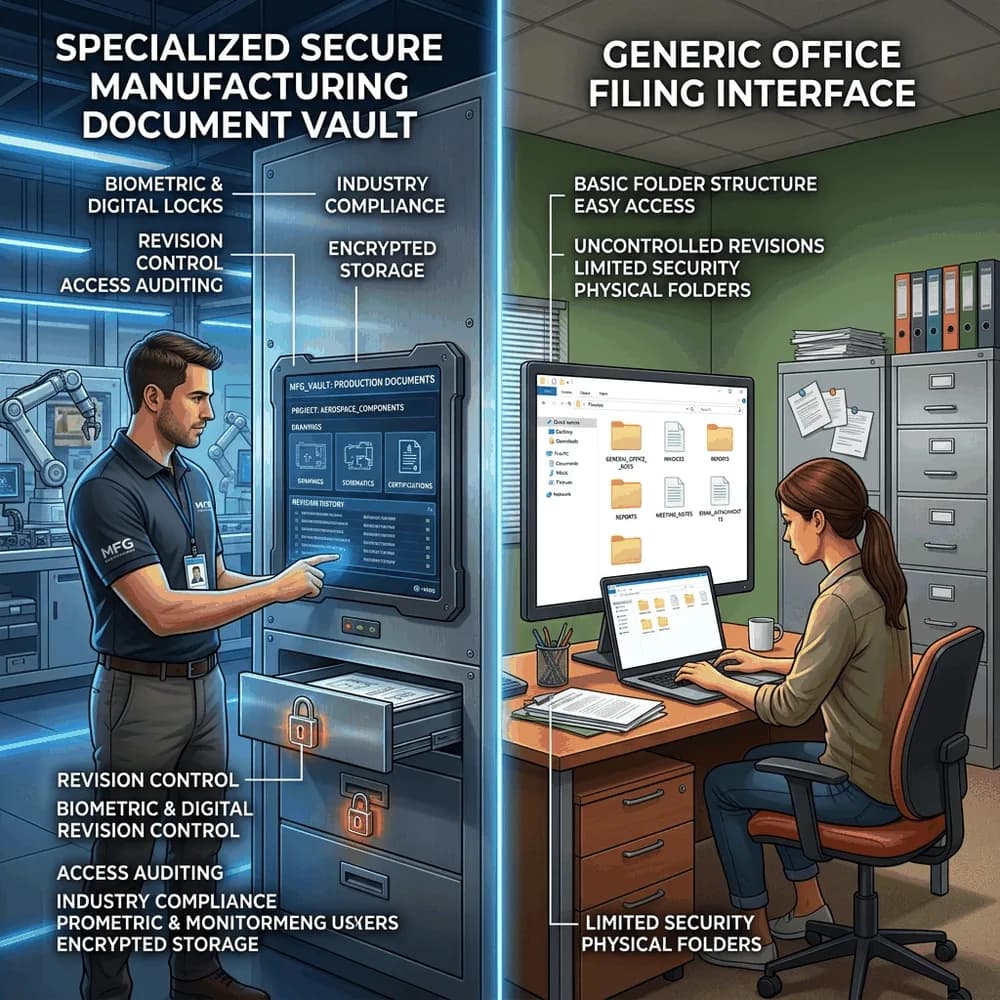
What Goes Wrong With Paper-Based Gate Pass Systems
Most Indian manufacturing facilities manage gate passes through a paper-based process — a numbered gate pass book, handwritten entries, security officer signature, and a copy filed at the security office. At scale, and under regulatory scrutiny, the gaps become visible:
- RGP items that do not return: Without a system tracking overdue RGPs, items sent out for repair simply do not come back — and the absence is only noticed when someone needs the tool.
- Material discrepancies: When a customer disputes the quantity delivered, or when an audit queries the quantity of material dispatched, the handwritten gate pass is the only record.
- Security control weakness: A paper gate pass can be duplicated, backdated, or filled in after the fact. It provides a record but not genuine control.
- Audit compilation time: Compiling a list of all material movements in and out of the facility for a specific period manually from a file is a significant exercise.
What a Digital Gate Pass System Provides
CraftMate's approach to RGP/NRGP provides:
- Digital RGP creation and approval: RGP request initiated in the system with item details. Approved by the authorised approver. Security gate scans the digital gate pass QR code.
- Overdue RGP alerts: When an RGP's expected return date passes, the system sends an alert to the person who authorised the movement.
- Return confirmation: When items return, the security gate scans the original RGP reference, records the received quantity, and the system closes the RGP.
- NRGP digital workflow: NRGP created with reference to the underlying commercial document. Complete and immediately retrievable.
- Audit reporting: Any period's gate pass activity available as a report in seconds.