
A Manufacturing Execution System (MES) is software designed to track, document, and control the transformation of raw materials into finished goods in real time.
If that sounds like academic jargon, here is the plain English version: An MES is the software that tells your factory floor workers exactly what to build, how to build it, and what materials to use—and then automatically records exactly what they actually did.
In many manufacturing facilities today, the "system" connecting the front office to the factory floor is a clipboard. Production planners print out a daily schedule, hand it to a shift supervisor, and operators fill out paper forms tracking their output, scrap, and machine downtime. At the end of the shift, someone types that paper data into an ERP system.
An MES eliminates that clipboard. It replaces paper-based reporting with digital screens at every workstation, directly capturing production data as it happens.
The "MES vs ERP" Confusion
The most common question manufacturers ask is: "We already have an ERP (like SAP, Oracle, or Microsoft Dynamics). Doesn't it do this?"
Usually, no.
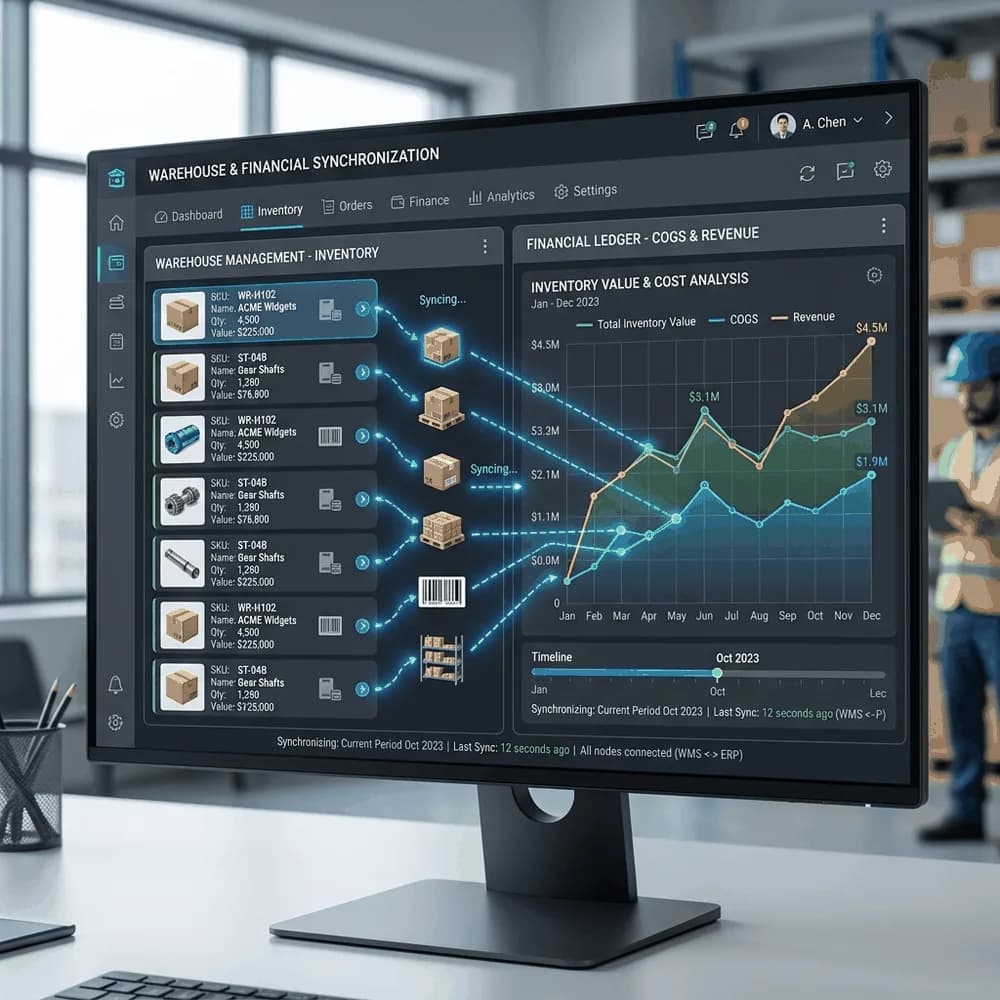
ERP systems are designed for business management—finance, procurement, HR, and high-level inventory planning. An ERP knows that you received an order for 1,000 units and that you have the raw materials in the warehouse to make them.
An MES is designed for operations management. It knows that to build those 1,000 units, Machine A needs to run for 4 hours using Material Batch #1234, but Machine A just went down for maintenance, so the work needs to be routed to Machine B.
"An ERP asks: 'Why did this job cost so much?' An MES asks: 'Why is this machine running too slowly right now?'"
What Does an MES Actually Do?
While features vary between vendors, a true Manufacturing Execution System performs five core functions on the shop floor:
- Work Order Execution: It takes the production schedule from the ERP and breaks it down into step-by-step digital instructions for the operators.
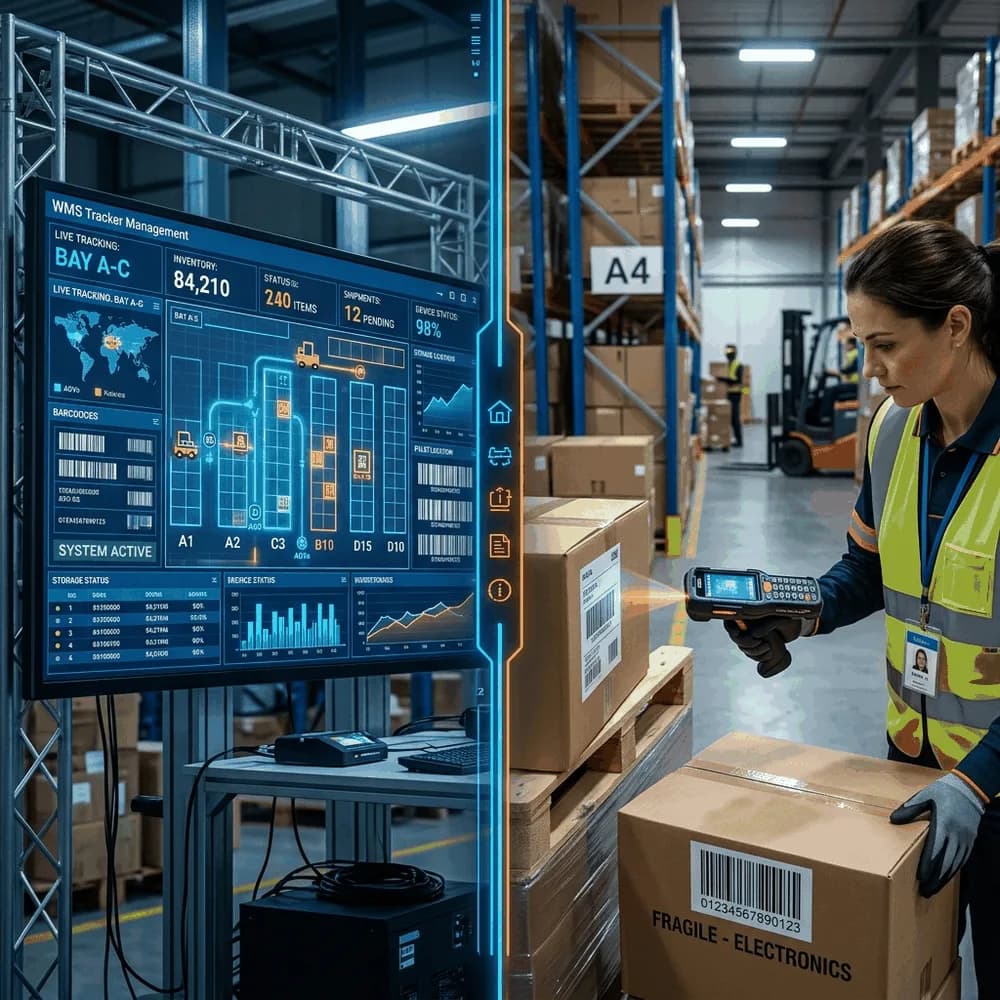
- Material Tracking and Traceability: It enforces barcode scanning to ensure the operator uses the correct raw materials, creating a permanent digital genealogy for the finished product.
- Quality Control: It forces operators to enter quality measurements (like weight or tolerance) before they can move to the next step. If a measurement fails, the MES automatically halts the line or triggers a rework process.
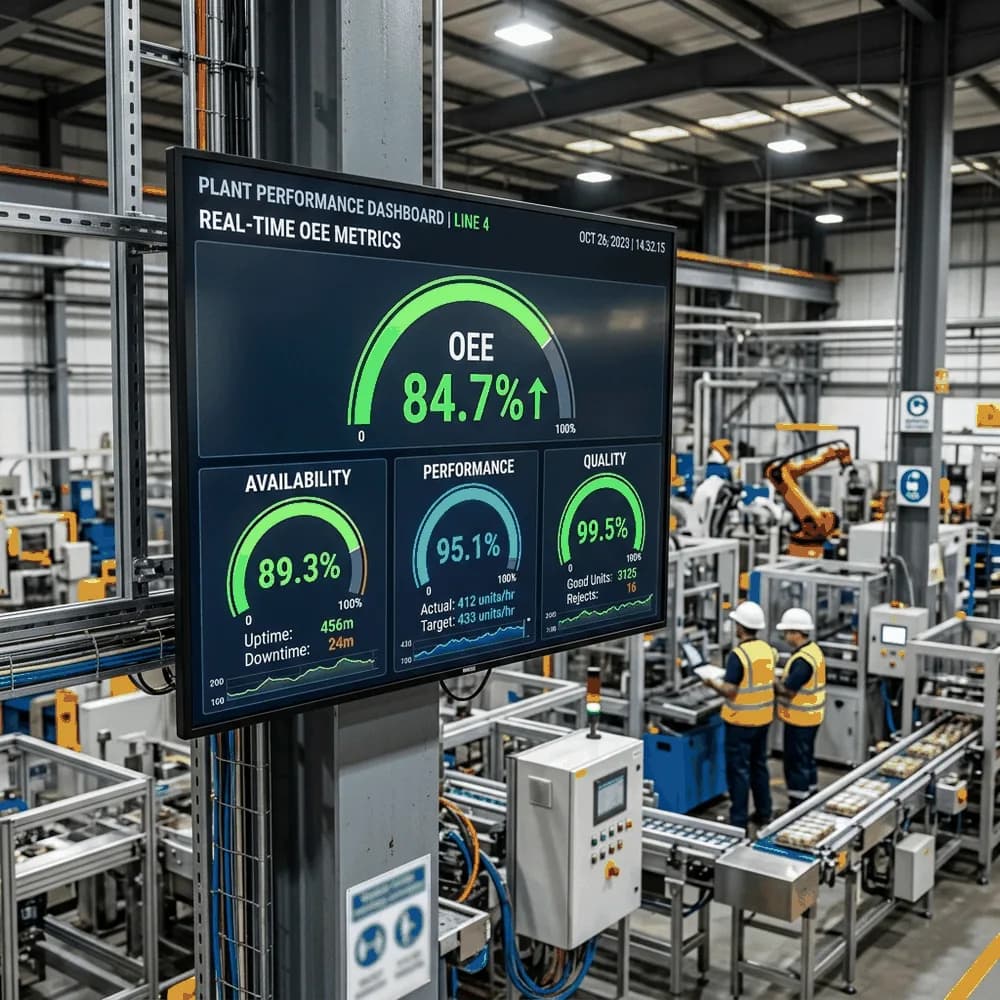
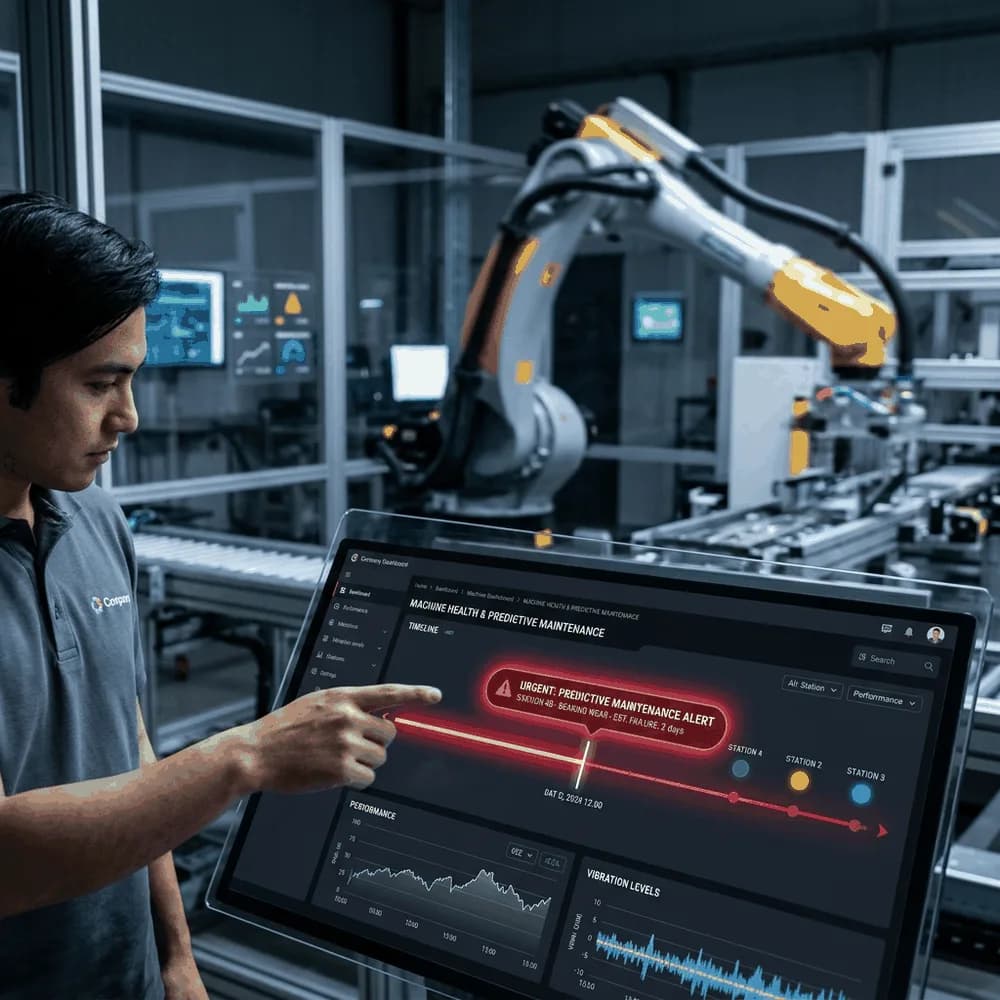
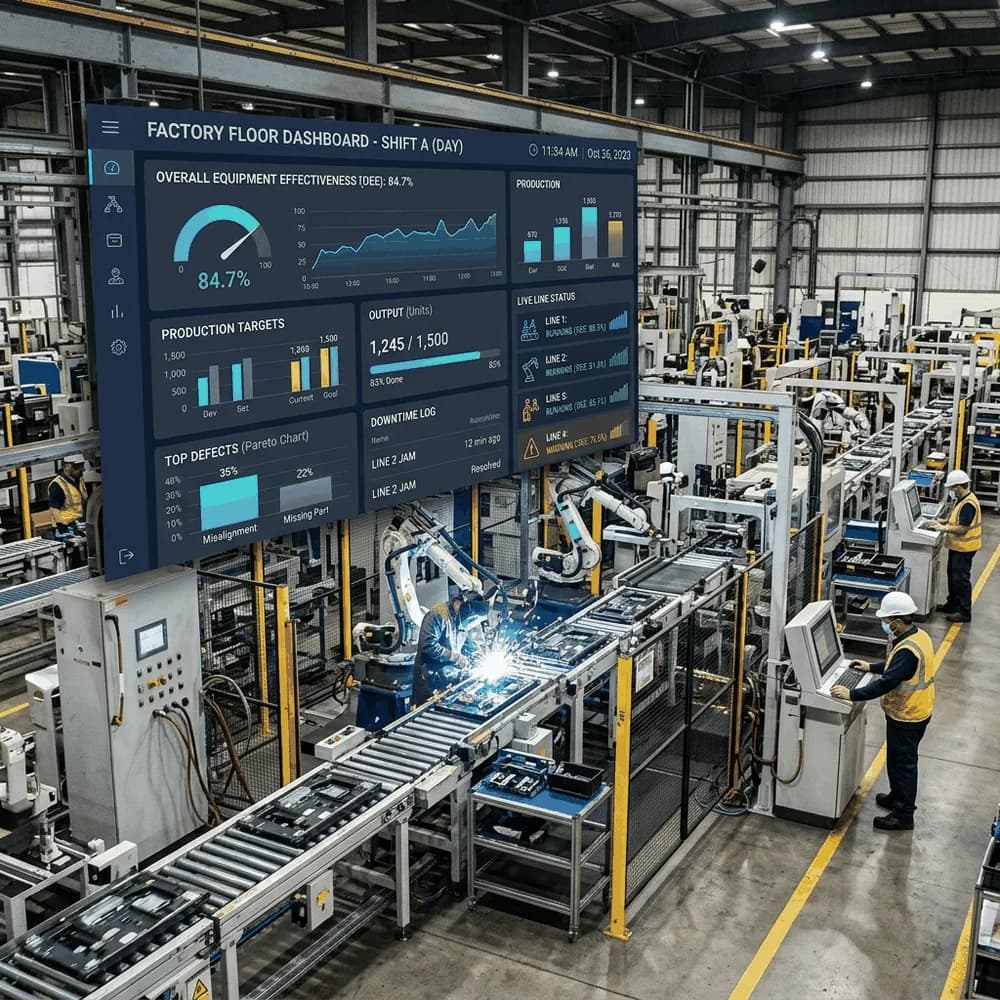
- Machine Integration (OEE): It connects directly to PLCs and machine sensors to automatically log cycle times, downtime reasons, and output counts—calculating true Overall Equipment Effectiveness (OEE) without manual data entry.
- Labor Tracking: It records exactly which operator performed which task, and how long it took, providing highly accurate labor costing data back to the ERP.
Why Businesses Implement MES
Manufacturers typically invest in an MES to solve three specific operational pain points:
- Blind Spots in Production: When a customer calls asking about an order, sales shouldn't have to walk onto the factory floor to find it. An MES provides real-time visibility into every work-in-progress (WIP) item.
- Costly Compliance Audits: In regulated industries (like medical devices, aerospace, or food and beverage), proving that a product was made correctly requires exhaustive documentation. An MES automatically generates an electronic Device History Record (eDHR) or batch record.
- Fake OEE Numbers: When operators manually log their downtime on paper, they inevitably round up or forget short stoppages. Machine-integrated MES software reveals the "hidden factory"—the 15% to 20% of lost capacity caused by unrecorded micro-stoppages.
The Implementation Challenge
It is important to acknowledge that MES implementations are difficult. Because an MES governs the physical actions of your workforce, deploying one forces a company to standardize its processes. You cannot digitize chaos; if your shop floor processes rely on tribal knowledge and informal workarounds, an MES will struggle.
Successful implementations happen when operations leaders treat the software not as an IT project, but as a fundamental shift in how the factory floor is managed.